Live and Online

Combined Early Learning and Care - Live and Online Course
Standalone or Part of Major Award
Complete QQI Level 5 and Level 6 ELC together, gaining full Early Learning and Care awards that support entry-level work and room leader progression.
QQI Credits: 120.00
QQI Level: 5
QQI Code: 5M22413 & 6M22411
WANT TO KNOW MORE ABOUT THIS COURSE?
Check below for more details.
Single modules are the best way to build your path to becoming fully certified and
get recognised by NFQ education point scheme.
This course may be suitable for you if you are looking to build a career in Early Learning and Care, childcare, preschool education, or early years services.
It may be particularly suitable for:
- Learners who want to work in childcare or Early Learning and Care settings
- Adults returning to education who would like a structured and supportive learning pathway
- Early years educators or preschool staff who wish to develop their qualifications
- AIM support workers or those interested in inclusive early years practice
- School staff, SNAs, or education support workers interested in early childhood development
- Employers or service managers supporting staff development in childcare or early years settings
- Employment services supporting learners into education, care, or childcare-related career pathways
- Learners who want to progress from foundational Early Learning and Care knowledge toward more advanced practice, supervision, and leadership learning
This programme is designed to be welcoming for learners who are new to the sector, while also supporting those who already have experience and wish to strengthen their professional knowledge, confidence, and practice.
Access to the Programme
This programme is designed to be accessible to learners preparing for, entering, or already working in Early Learning and Care settings.
The blended learning format gives learners access to a structured online Learning Management System, alongside scheduled virtual or in-person tutorials. This allows learners to work through course content at their own pace while still having opportunities to engage with their Trainer, ask questions, prepare for assessment, and apply learning to real early years practice.
Tutorials focus on discussion, assessment preparation, and practical application of learning. Learners are encouraged to take an active part in their learning and to use the available supports throughout the programme.
A typical weekly commitment is approximately 5–8 hours, depending on the learner’s pace, assessment schedule, and stage of the programme.
Entry Criteria
This course is open to individuals who are working in, preparing to work in, or interested in building a career in Early Learning and Care, childcare, preschool, education, or child and family support settings.
Learners should have an interest in working with babies and young children and a willingness to engage in professional learning, reflective practice, and assessment work. Previous experience in childcare, education, care, or support settings may be beneficial, but learners who are newer to the sector are also welcome.
As this is a combined Level 5 and Level 6 programme, learners should be prepared to complete academic and practical learning over an extended period. Current professional experience, relevant voluntary experience, or prior study may support learners in applying theory to practice.
Where placement, practice-based tasks, or workplace-based evidence are required, learners may need access to an appropriate Early Learning and Care setting. Specific placement or assessment requirements will be confirmed as part of the programme guidance.
English Language Requirements
Learners should have a good standard of English to participate fully in the course and engage with course materials. If English is not your first language and you are unsure whether this course is suitable for you, please contact hello@forustraining.ie for guidance.
IT Skills and Equipment Required
Learners will need basic computer literacy and access to suitable IT equipment to complete this blended learning programme.
You will need:
- A laptop or desktop computer
- Reliable internet connection
- A modern web browser such as Chrome, Edge, Firefox, or Safari
- Ability to access videos, PDFs, presentations, quizzes, and online learning materials
- Word processing tools, such as Microsoft Word or Google Docs, where required
- Ability to upload or submit written assessment work online
- Access to Zoom or an equivalent platform for live online tutorials, where applicable
- Working microphone and speakers or headset for live sessions
- Webcam access where participation or tutorial engagement requires it
- Learners who are unsure about the technology requirements are encouraged to contact Forus Training for guidance before starting the programme.
Reasonable Accommodation
Forus Training is committed to supporting learners to participate as fully as possible in their course. Learners who may need reasonable accommodation or additional support are encouraged to contact their Course Advisor as early as possible so that appropriate supports can be discussed.
Reasonable accommodations are considered on a case-by-case basis and are designed to support fair access to learning and assessment while maintaining the required standards of the programme.
This combined Level 5 and Level 6 Early Learning and Care programme supports learners to develop from foundational practice into more advanced professional knowledge, reflection, and supervision-related learning.
Level 5 Certificate in Early Learning and Care — 5M22413
Learners will explore key areas such as:
- Children’s rights, legislation, regulation, and child protection
- Professional practice in Early Learning and Care settings
- Holistic care of children from birth to six years
- Early childhood growth and development
- Understanding and assisting children with additional needs
- Curriculum, play, and creative studies
- Supporting children’s wellbeing, learning, and identity
- Working in partnership with families, colleagues, and communities
- Reflective practice and personal learning development
Level 6 Advanced Certificate in Early Learning and Care — 6M22411
Learners will build on their Level 5 learning through themes such as:
- The developing child
- Sociology and social policy in Early Learning and Care
- Curriculum and pedagogy
- Supervision and administration skills in Early Learning and Care
- Advanced professional practice placement
- Inclusive Early Learning and Care
- Leadership, supervision, and professional development
- Planning, implementing, and evaluating curriculum experiences
- Equity, diversity, inclusion, and best practice in early years settings
- Critical reflection on personal and professional practice
The programme links theory with real-world practice, helping learners understand how Early Learning and Care principles can be applied in day-to-day work with babies, toddlers, and young children, families, staff teams, and services.
Learning Outcomes
By engaging with the Level 5 stage of the programme, learners will have opportunities to:
- Develop a broad understanding of the learning, wellbeing, development, and identities of children in Early Learning and Care
- Explore key theoretical concepts relevant to Early Learning and Care practice, including child protection
- Build practice, interpersonal, reflective, and pedagogical skills to support the holistic needs of babies and young children
- Identify appropriate responses to routine, varied, and unfamiliar situations within Early Learning and Care settings
- Strengthen knowledge and skills across a range of Early Learning and Care practice contexts
- Contribute to planning, implementing, and evaluating curriculum experiences that support children’s learning, wellbeing, and development
- Recognise the importance of partnership with staff, parents, guardians, carers, families, and the wider community
- Take responsibility for personal learning in a structured learning context
- Reflect on personal values and practice to support self-understanding and professional development
By engaging with the Level 6 stage of the programme, learners will have opportunities to:
- Develop knowledge of Early Learning and Care perspectives, policies, procedures, and best practice guidelines
- Relate concepts of leadership and supervision to pedagogy, practice, and effective service delivery
- Apply interpersonal, pedagogical, and supervisory skills in Early Learning and Care practice
- Respond appropriately to the care and education needs of children of different ages, stages, interests, and abilities
- Promote equity, diversity, and inclusion in Early Learning and Care settings
- Apply policies, procedures, and practices that support continuity of experiences for children
- Plan, implement, and evaluate curriculum delivery, including child-led and adult-initiated experiences
- Support children’s development, wellbeing, and learning in line with national guidelines and best practice procedures
- Take responsibility for personal professional development and, where appropriate, support others to identify development needs
- Reflect critically on personal and professional practice to inform ongoing learning and contribute to the development of self and other practitioners
Blended Learning — Live and Online
This course is delivered through a combination of self-paced online learning and scheduled virtual or in-person tutorials.
Learners receive full access to a user-friendly Learning Management System with presentations, resources, quizzes, and learning materials. Tutorials focus on discussion, assessment preparation, questions, and practical application of learning to Early Learning and Care settings.
Trainer support and additional learner supports are available throughout the programme.
WHAT WILL YOU DO ON THIS COURSE?
The Combined Early Learning and Care - Live and Online course outline can be found below...
Content coming soon
FIND WHAT PEOPLE SAY ABOUT THIS COURSE.
All the reviews about Combined Early Learning and Care - Live and Online course
This programme includes structured coursework and learning activities appropriate to the Level 5 - Stage 1 and Level 6 - Stage 2 Early Learning and Care major awards.
Assessment may include a combination of written assignments, projects, portfolios, skills demonstrations, reflective work, practice-based tasks, examinations, or other assessment methods, depending on the module requirements.
Learners are supported through:
- Clear assessment briefs and guidance
- Access to a comprehensive Learner Pack
- Digital resources through the Learning Management System
- Scheduled tutorials focused on discussion, assessment preparation, and practical application
- Trainer guidance throughout the programme
- Draft submission opportunities, where learners can submit draft work and receive feedback before final submission
- Additional academic and learner supports, including help with study skills, academic writing, referencing, and language support where needed
The support team aims to respond within 72 hours. Learners are encouraged to engage early with their Trainer and support team, especially where they have questions about assessment, study planning, or course participation.
Learner Welfare
At Forus Training, we aim to create a positive, inclusive, and respectful learning environment. Our team is available to support learners throughout their learning experience, and we encourage participants to reach out if they need guidance in relation to course participation, access, or learning support.
We understand that many learners are balancing study with work, family, caring responsibilities, or a return to education. The programme is designed to provide structure, encouragement, and practical support so learners can build confidence as they progress through each stage.
Learners are encouraged to communicate with Forus Training as early as possible if they are experiencing difficulty with attendance, engagement, assessment planning, technology, or access to learning.
Supports for Learners with Disabilities and Specific Learning Difficulties
Forus Training is committed to supporting learners with disabilities and specific learning difficulties to access and participate in learning as fully as possible.
Learners who may need additional support, reasonable accommodation, or guidance in relation to learning or assessment are encouraged to contact their Course Advisor as early as possible. This allows appropriate supports to be discussed in advance and helps learners understand what documentation or information may be required.
Supports may relate to learning access, assessment arrangements, study planning, academic writing, referencing, language support, or technology guidance, depending on the learner’s needs and the requirements of the programme.
On successful completion of the required Level 5 programme requirements, learners will receive the QQI Level 5 Certificate in Early Learning and Care — 5M22413.
On successful completion of the required Level 6 programme requirements, learners will receive the QQI Level 6 Advanced Certificate in Early Learning and Care — 6M22411.
Certificates are issued in line with QQI and Forus Training certification processes, once all required assessments have been successfully completed, submitted, assessed, quality assured, and processed for certification.
Learners will also receive access to course learning materials and support resources during their enrolment, including LMS content, learner resources, quizzes, tutorials, and assessment guidance.
After completing this course, learners may wish to continue their professional development through further training, specialist workshops, or advanced study in areas related to Early Learning and Care, inclusion, child development, education support, leadership, supervision, or childcare practice.
Learners may also use the knowledge and skills developed during the programme to support applications for roles in Early Learning and Care settings, childcare services, preschool settings, afterschool services, or related child and family support environments.
Progression options may depend on individual experience, employer requirements, placement experience, further education entry requirements, and current sector regulations. Learners are encouraged to check specific requirements with employers, professional bodies, higher education providers, or relevant agencies before making progression decisions.
Live and Online
Registration can take place through our website, this will involve you completing the relevant application form, providing us with your personal information so we can complete the registration on our side. Registration can also take place by telephone/email/Whatsapp or in person, this will involve you providing us details of the course you wish to study, providing us your payment details and agreeing to proceed with the purchase. By completing registration, you are agreeing to the terms and conditions set out herein.
Please read Terms & Conditions here.





DO YOU WANT TO GET A COURSE BROCHURE?
Complete QQI Level 5 and Level 6 ELC together, gaining full Early Learning and Care awards that support entry-level work and room leader progression.
What is QQI?
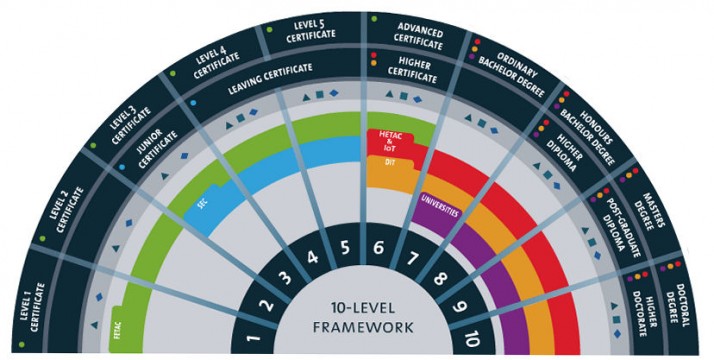
QQI is the state agency responsible for the external quality assurance of further and higher education and training in Ireland.
QQI are responsible for the external quality assurance of further and higher education and training in Ireland.
QQI validate programmes, make awards and are responsible for the promotion, maintenance, development and review of the National Framework of Qualifications (NFQ).
QQI also inform the public about the quality of education and training programmes and qualifications, and advise the Government on national policy regarding quality assurance and enhancement in education and training.