Intellectual Disability Studies (Teacher Summer Courses) - Online Course
Standalone or Part of Major Award
A practical online course supporting teachers and professionals to strengthen inclusive practice for learners with intellectual disabilities through updated terminology, structured supports, UDL and SSE-aligned reflection.
QQI Credits:
QQI Level:
QQI Code: 891 EPV O
Quizzes: 18
LMS Sessions: 19
WANT TO KNOW MORE ABOUT THIS COURSE?
Check below for more details.
Single modules are the best way to build your path to becoming fully certified and
get recognised by NFQ education point scheme.
This course is particularly suitable for teachers, school staff and education professionals who want to strengthen inclusive practice for learners with intellectual disabilities. It may also be relevant for psychologists, occupational therapists, preschool teachers, early years educators, AIM support workers, SNAs and other professionals supporting children and young people in education and care settings.
It is designed for both experienced practitioners and those newer to this area. Whether you are looking to update your knowledge, reflect on your current approach, or build confidence in applying practical inclusive strategies, this course offers a structured and supportive learning experience.
You may find this course especially useful if you want to:
update your understanding of intellectual disability in educational contexts
reflect on how cognitive, adaptive, communication and environmental factors influence participation
explore practical strategies to support inclusion, independence and engagement
connect professional learning to classroom improvement and reflective practice
The course is structured across five modules, with a strong focus on practical application, reflective practice and inclusive school improvement.
Key areas include:
definitions and models of intellectual disability
cognitive and adaptive functioning
communication development and social participation
rights-based and strengths-based approaches
environmental factors influencing inclusion
Universal Design for Learning (UDL)
curriculum adaptation and differentiated instruction
task analysis and scaffolded teaching
structured teaching approaches and visual supports
person-centred planning in schools
supporting adaptive and functional skills
evaluating inclusive practice and measuring impact
planning next steps using the School Self Evaluation (SSE) cycle
Participants work through a structured process of identifying a focus area, gathering evidence, implementing strategies and evaluating impact in their own professional context.
Online delivery through a secure learning platform, combining asynchronous learning, guided tasks, moderated forums and offline professional application.
WHAT WILL YOU DO ON THIS COURSE?
The Intellectual Disability Studies (Teacher Summer Courses) - Online course outline can be found below...
Induction - Before You Start
Learner Induction
1/37
Learner Induction - Quiz Questions
2/37
Assessment
3/37
Value Based Terminology
Session 1.1
Value Based Terminology.
4/37
Value Based Terminology - Quiz Questions
10 Questions5/37
Session 1.2
Value Based Terminology.
6/37
Value Based Terminology - Quiz Questions
10 Questions7/37
Models of Support
Session 2.1
Models of Support.
8/37
Models of Support - Quiz Questions
10 Questions9/37
Session 2.2
Models of Support.
10/37
Models of Support - Quiz Questions
10 Questions11/37
Family Carers
Session 3
Family Carers.
12/37
Family Carers - Quiz Questions
9 Questions13/37
Dignity, Choice, Relationships, Contributing
Session 4
Dignity, Choice, Relationships, Contributing.
14/37
Dignity, Choice, Relationships, Contributing - Quiz Questions
10 Questions15/37
Taking a Look Back
Session 5
Taking a Look Back.
16/37
Taking a Look Back - Quiz Questions
9 Questions17/37
Attitudes Matter
Session 6
Attitudes Matter.
18/37
Attitudes Matter - Quiz Questions
10 Questions19/37
Policies and Practice in Action
Session 7
Policies and Practice in Action.
20/37
Policies and Practice in Action - Quiz Questions
10 Questions21/37
All About Intellectual Disability
Session 8
All About Intellectual Disability.
22/37
All About Intellectual Disability - Quiz Questions
9 Questions23/37
The Impact of a Multiple Disability
Session 9
The Impact of a Multiple Disability.
24/37
The Impact of a Multiple Disability - Quiz Questions
10 Questions25/37
Standards and Quality Assurance
Session 10
Standards and Quality Assurance.
26/37
Standards and Quality Assurance - Quiz Questions
9 Questions27/37
Progressive Models of Service
Session 11
Progressive Models of Service.
28/37
Progressive Models of Service - Quiz Questions
9 Questions29/37
Human Needs
Session 12
Human Needs.
30/37
Human Needs - Quiz Questions
10 Questions31/37
Session 13.1
Staff Roles and Responsibilities.
32/37
Staff Roles and Responsibilities - Quiz Questions
9 Questions33/37
Session 13.2
Front Line Staff.
34/37
Front Line Staff - Quiz Questions
10 Questions35/37
Session 14
Teamworking.
36/37
Team Working - Quiz Questions
9 Questions37/37
FIND WHAT PEOPLE SAY ABOUT THIS COURSE.
All the reviews about Intellectual Disability Studies (Teacher Summer Courses) - Online course
Assessment is practical, formative and closely linked to professional practice. There is no examination component.
Participants complete structured assignments, reflective tasks, forum contributions and classroom-based implementation activities. These are designed to support meaningful application of learning in real settings.
Facilitator support includes:
ongoing tutor guidance and engagement monitoring
feedback on assignments and reflective work
moderated discussion forums
support with applying learning to practice
early intervention where additional support may be needed
Feedback focuses on practical application, inclusive practice and reflection on impact.
Forus Training is committed to supporting learners to participate as fully as possible in their course. Learners who may need reasonable accommodation or additional support are encouraged to contact their Course Advisor as early as possible so that appropriate supports can be discussed.
Participants who successfully complete the course requirements will receive a Certificate of Completion, co-signed by the tutor and course director.
This course may support your continuing professional development. Please check with your employer or relevant professional body regarding recognition requirements.
After completing this course, learners may wish to continue their professional development through further short courses, workshops or advanced study in areas such as inclusive education, special educational needs, neurodiversity, communication support, structured teaching or school improvement.
The course may also support ongoing reflective practice and future SSE-related professional learning within educational settings.
Registration can take place through our website, this will involve you completing the relevant application form, providing us with your personal information so we can complete the registration on our side. Registration can also take place by telephone/email/Whatsapp or in person, this will involve you providing us details of the course you wish to study, providing us your payment details and agreeing to proceed with the purchase. By completing registration, you are agreeing to the terms and conditions set out herein.
Please read Terms & Conditions here.





DO YOU WANT TO GET A COURSE BROCHURE?
A practical online course supporting teachers and professionals to strengthen inclusive practice for learners with intellectual disabilities through updated terminology, structured supports, UDL and SSE-aligned reflection.

What is QQI?
QQI is the state agency responsible for the external quality assurance of further and higher education and training in Ireland.
QQI are responsible for the external quality assurance of further and higher education and training in Ireland.
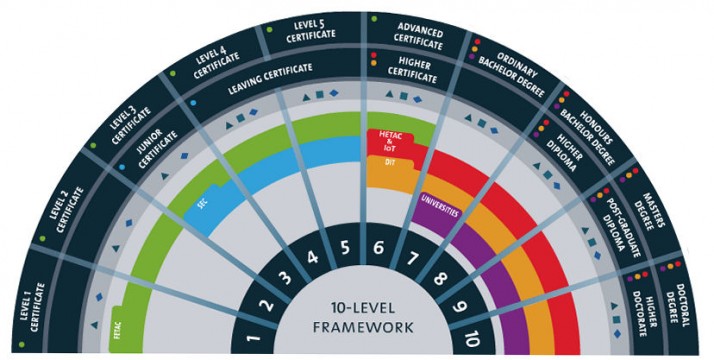
QQI validate programmes, make awards and are responsible for the promotion, maintenance, development and review of the National Framework of Qualifications (NFQ).
QQI also inform the public about the quality of education and training programmes and qualifications, and advise the Government on national policy regarding quality assurance and enhancement in education and training.