Classroom Near You

WANT TO KNOW MORE ABOUT THIS COURSE?
Check below for more details.
Single modules are the best way to build your path to becoming fully certified and
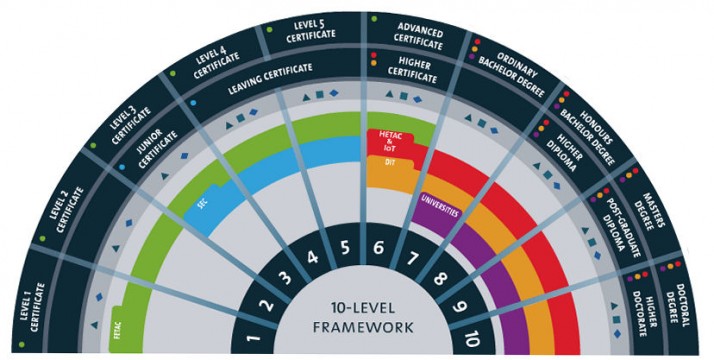
get recognised by NFQ education point scheme.
This accelerated course is strictly for individuals who hold an in-date PHECC CFR Community certificate (or a higher-level PHECC award like FAR or APIC that includes CFR certification).
Note: If your certificate has already expired, you are typically required to attend the full initial CFRC course.
Why Recertify Your CFRC Certification Now?
Maintain Compliance: Keep your qualifications valid for your employer, volunteer group, or community scheme.
Stay Updated: Protocols change. Ensure you are using the most current, evidence-based techniques for CPR and choking management.
Rebuild Confidence: The recertification is a practical session designed to rebuild muscle memory and ensure you feel confident to act decisively in a cardiac emergency.
This isn't just a lecture; it’s a hands-on review and assessment of your core life-saving skills.
Fast-Paced Review: Quickly cover the signs of heart attack, stroke (FAST assessment), and choking management for adults, children, and infants.
Practical Assessment: Demonstrate your proficiency in CPR and using an Automated External Defibrillator (AED) under the supervision of a certified instructor.
Immediate Certification: Upon successful completion of the half-day session, you will receive your renewed PHECC CFR Community certificate, valid for another two years.
Scene Assessment & Safety:
Reviewing proper procedures for managing an emergency scene to ensure responder and patient safety.
Patient Assessment:
Re-evaluating the steps for quickly assessing a conscious and unconscious patient.
Cardiopulmonary Resuscitation (CPR):
Hands-on review and assessment of high-quality CPR techniques for adults, children, and infants.
Automated External Defibrillation (AED):
Updating knowledge and re-assessing skills on the safe and effective use of an AED.
Choking Management:
Reviewing techniques for managing foreign body airway obstructions in conscious and unconscious adults, children, and infants.
Medical Emergencies Recognition:
Refreshing knowledge on the signs and symptoms of a heart attack and stroke (using the FAST assessment).
Aspirin Administration:
Reviewing the guidelines and protocols for administering 300mg aspirin to a patient experiencing cardiac chest pain.
Information Management:
Reviewing documentation and communication with emergency medical services (EMS), including the use of the PHECC RED Card (Request Emergency Dispatch).
Team Resuscitation:
Understanding roles and communication within a team during a resuscitation scenario (often new/updated content in refreshers).
Post-Resuscitation Care:
Brief overview of the management of patients following the return of normal spontaneous breathing.
The recertification course emphasizes practical application and ensures you are up-to-date with the latest PHECC Clinical Practice Guidelines (CPGs).
WHAT WILL YOU DO ON THIS COURSE?
The CFRC Cardiac First Responder Community Recertification - Classroom Near You course outline can be found below...
Content coming soon
FIND WHAT PEOPLE SAY ABOUT THIS COURSE.
All the reviews about CFRC Cardiac First Responder Community Recertification - Classroom Near You course
The assessment process for the Cardiac First Response Community (CFRC) Recertification is entirely practical and designed to confirm that participants can competently perform life-saving skills according to the current PHECC clinical guidelines.
Practical Skills Assessment:
The primary assessment involves instructors observing candidates manage simulated emergency scenarios.
You must demonstrate proficiency in:
CPR and AED Use: Performing high-quality chest compressions and correctly operating an AED as part of a resuscitation effort.Choking Management: Correctly applying relief techniques for conscious and unconscious casualties.Continuous Evaluation: Tutors continuously monitor performance throughout the session, providing immediate feedback rather than a single final exam. Tutor Support Tutor support is a key part of the recertification experience, even in a shorter course: Expert Instruction: All courses are led by highly experienced, PHECC-registered instructors who are current in their own clinical practice.Skill Feedback: Tutors provide immediate, hands-on feedback during all practical scenario work, helping correct techniques and build confidence.Protocol Updates: Instructors guide participants through any new or updated resuscitation protocols since their last certification.Accessibility: Tutors are available to address individual questions or specific concerns related to the workplace or community environment participants operate in.
Upon successful completion of all practical skills, participants receive a joint PHECC/Recognised Institution CFR Community certificate, valid for two years.
Classroom Near You
Registration can take place through our website, this will involve you completing the relevant application form, providing us with your personal information so we can complete the registration on our side. Registration can also take place by telephone/email/Whatsapp or in person, this will involve you providing us details of the course you wish to study, providing us your payment details and agreeing to proceed with the purchase. By completing registration, you are agreeing to the terms and conditions set out herein.
Please read Terms & Conditions here.





DO YOU WANT TO GET A COURSE BROCHURE?
What is QQI?
QQI is the state agency responsible for the external quality assurance of further and higher education and training in Ireland.
QQI are responsible for the external quality assurance of further and higher education and training in Ireland.
QQI validate programmes, make awards and are responsible for the promotion, maintenance, development and review of the National Framework of Qualifications (NFQ).
QQI also inform the public about the quality of education and training programmes and qualifications, and advise the Government on national policy regarding quality assurance and enhancement in education and training.