WANT TO KNOW MORE ABOUT THIS COURSE?
Check below for more details.
Single modules are the best way to build your path to becoming fully certified and
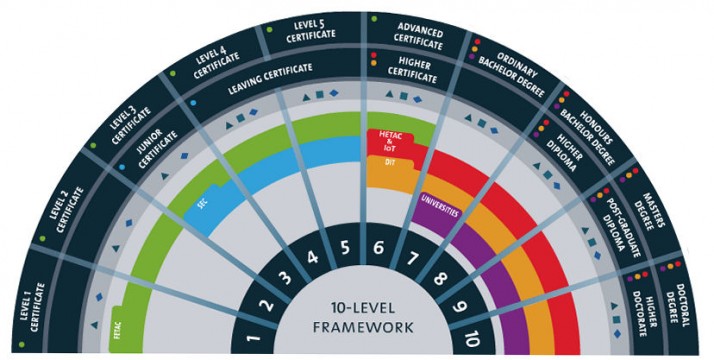
get recognised by NFQ education point scheme.
The Life Skill Everyone Needs
In an emergency, every second counts. The confidence to act decisively isn't optional—it's a necessity.
Whether you're managing a busy office, running a home, coaching a local sports team, or simply navigating daily life, accidents and medical crises happen everywhere. The PHECC-accredited First Aid Response (FAR) course provides the gold-standard training required to make a critical difference when it matters most. This course is for everyone.
It’s For the Employer & Employee
Compliance Meets Confidence:
Meet and exceed your legal obligations under Irish health and safety legislation. The FAR certification is the HSA-recognised national standard for first aid in the workplace. Protect your colleagues, protect your business, and ensure a safe environment for all employees.
It’s For the Parent & Childcare Provider
Safety at Home, Safety at Work:
From a scraped knee in the park to a potential choking hazard in a creche, the FAR course provides the specific skills recommended by Tusla for childcare settings. Gain peace of mind knowing you can handle pediatric and adult emergencies with competence and calm.
It’s For the Community Member & Volunteer
Empower Your Community:
Be the person who steps forward when someone collapses at the shops, in the sports hall, or during a community event. Learn how to perform effective CPR, use an AED (defibrillator), and manage common medical emergencies like heart attacks, strokes, and seizures.
Patient Assessment
Conducting a primary and secondary survey
Assessing responsiveness (AVPU scale)
Taking a patient history (SAMPLE history)
Recording findings
Incident Procedures
Scene safety and management
Interaction with emergency services
Using a Request Emergency Dispatch (RED) card
Cardiac First Response (CFR) Community Standard
Performing CPR (adult, child, infant)
Using an Automated External Defibrillator (AED)
Managing choking
Recognizing signs of heart attack and stroke
Common Medical Emergencies
Recognizing and providing care for asthma
Managing diabetes emergencies
Responding to seizures, poisoning, and fainting
Injury Management and Shock
Controlling bleeding
Treating bone injuries (fractures, sprains, strains, dislocations)
Assessing for concussion
Managing shock
Care of the Unconscious Patient
Assessing an unconscious patient
Placing a patient in the recovery position
Burns and Electrical Injury Care
Assessing and treating chemical, electrical, and thermal burns and scalds
Hypothermia and Hyperthermia
Recognizing and treating conditions related to extreme temperatures
Information Management and Communications
Documentation of incidents
Effective handover of care to medical professionals
The Well-Being of the First-Aid Responder
Understanding critical incident stress management and self-care
In-Person Training: Fully practical, hands-on sessions
WHAT WILL YOU DO ON THIS COURSE?
The FAR First Aid Responder course outline can be found below...
Content coming soon
FIND WHAT PEOPLE SAY ABOUT THIS COURSE.
All the reviews about FAR First Aid Responder course
Assessment Methods
Participants are assessed through a combination of:
Practical Skills Demonstrations:
Students must successfully perform all core first aid skills during realistic scenarios.
Multiple-Choice Question (MCQ) Exam:
A written test typically requiring a pass mark of 60-80% (depending on the provider's specific policy) to ensure theoretical understanding of emergency procedures.
Tutor Support
Tutor support is crucial to the FAR learning process and includes:
Continuous Feedback:
Instructors provide real-time, constructive feedback during practical scenarios.
Accessible Expertise:
Tutors are available throughout the duration of the course to answer questions, clarify complex medical concepts, and offer extra practice time for challenging skills.
Support for Diverse Needs:
Tutors help accommodate different learning styles and provide assistance to ensure every participant has the opportunity to meet the required PHECC standard.
PHECC First Aid Responder (FAR) Certificate
This is the primary qualification awarded. It is an official certification from the Pre-Hospital Emergency Care Council (PHECC), which is the statutory body for pre-hospital emergency care in Ireland.
Status: It is the current national standard for occupational first aid and is recognized by the Health and Safety Authority (HSA) as the benchmark for workplace first aiders.
Validity: The certificate is valid for a period of two years from the date of issue. To remain certified, you must complete a two-day refresher course before the expiration date.
Registration can take place through our website, this will involve you completing the relevant application form, providing us with your personal information so we can complete the registration on our side. Registration can also take place by telephone/email/Whatsapp or in person, this will involve you providing us details of the course you wish to study, providing us your payment details and agreeing to proceed with the purchase. By completing registration, you are agreeing to the terms and conditions set out herein.
Please read Terms & Conditions here.





DO YOU WANT TO GET A COURSE BROCHURE?

What is QQI?
QQI is the state agency responsible for the external quality assurance of further and higher education and training in Ireland.
QQI are responsible for the external quality assurance of further and higher education and training in Ireland.
QQI validate programmes, make awards and are responsible for the promotion, maintenance, development and review of the National Framework of Qualifications (NFQ).
QQI also inform the public about the quality of education and training programmes and qualifications, and advise the Government on national policy regarding quality assurance and enhancement in education and training.